Himalaya: A Premium Script Font for Modern Web Design
Choosing the right font can make or break a website’s visual identity. As a designer, I’m always on the lookout for typefaces that balance elegance with functionality—ones that speak to the brand while ensuring content is easy to read and visually appealing. Himalaya fits that need perfectly. This script font brings a smooth, refined aesthetic to digital experiences without compromising legibility, making it an excellent choice for headers, hero sections, and other high-impact design elements.
Visual Characteristics of Himalaya
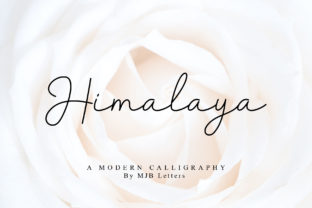
Himalaya is a handcrafted script font that exudes sophistication and warmth. Its flowing strokes and subtle contrast between thick and thin lines give it a natural, almost organic feel. Unlike many script fonts that lean too heavily into cursive flourishes and become difficult to read at smaller sizes, Himalaya maintains clarity even when used in mid-sized text. The letters are well-proportioned and designed with web usability in mind, which makes it versatile across different platforms and screen resolutions.
The personality of Himalaya is both professional and approachable. It works well for brands that want to communicate creativity, artistry, or a touch of human connection. Whether you're designing a luxury fashion site or a personal blog, this typeface can help elevate your typography game by adding a sense of movement and style to static layouts.
Where to Use Himalaya in Your Designs
One of the most effective ways to use Himalaya is in hero sections where it can serve as a headline or title. Its elegant curves and soft edges create a strong first impression, drawing users into the content. For instance, on a product landing page, Himalaya could be used for the main value proposition, helping to establish a premium tone from the get-go.
On creative portfolio sites, Himalaya adds a unique flair to section headings and project titles. It allows designers to showcase their work with a touch of individuality while maintaining a clean, modern layout. Similarly, boutique online stores can benefit from using Himalaya in banner headlines and category labels, giving the brand a more artisanal and curated look.
For coaching websites and wellness platforms, Himalaya can be used to craft motivational call-to-action buttons or to highlight key services. It complements minimalist UIs beautifully, especially when paired with a sans serif body font, creating a balanced yet expressive visual hierarchy.
Supporting Readability and Scanning Behavior
Script fonts often face criticism for being hard to read, but Himalaya defies that stereotype. Its letterforms are designed with spacing and rhythm in mind, which helps maintain readability even in short phrases. When using Himalaya in headers or subheaders, it's important to ensure sufficient contrast with background colors and adequate line height to prevent visual fatigue.
On mobile screens, Himalaya performs admirably if you keep the font size above 18px and avoid using it for long paragraphs. For small buttons and interactive elements, opt for bold weights to ensure legibility and tap targets remain user-friendly. Always test how it appears on dark and light backgrounds—Himalaya looks stunning on both, but may require slight adjustments in color or stroke weight depending on context.
Enhancing Brand Tone and Trust
Fonts play a crucial role in shaping a brand’s tone and building trust with audiences. Himalaya has a soft, handwritten quality that conveys authenticity and care. It’s ideal for brands that want to appear human-centric, such as lifestyle blogs, creative agencies, or personal branding sites.
When used consistently across multiple touchpoints—like website headers, social media graphics, and email templates—Himalaya reinforces brand recognition. Users begin to associate the font with the brand’s values, leading to stronger emotional connections and increased engagement. In editorial contexts like blog headers or course sales pages, it can add a personal, inviting touch that encourages readers to dive deeper into the content.
Font Pairing Tips for Web Design
Pairing Himalaya with complementary fonts is essential to achieving harmony in your design. Because it's a decorative display font, it pairs best with neutral body fonts like Roboto, Lato, or Open Sans. These sans serif options provide a clean backdrop that lets Himalaya shine without overwhelming the reader.
If your brand leans towards a more classic or editorial tone, consider pairing Himalaya with a serif font such as Merriweather or Playfair Display. This combination works particularly well in content-driven websites or magazine-style layouts, where the script font can be used sparingly for quotes, chapter headings, or pull-out statements.
Always ensure that your font pairings follow a clear hierarchy. Let Himalaya handle the attention-grabbing roles—hero text, CTA buttons, logos—while your secondary font takes over for body copy and navigation menus. This keeps your design focused and prevents visual clutter.
Practical Applications Across Digital Platforms
- Creative Portfolio Sites: Use Himalaya for project titles and section headers to create a memorable browsing experience.
- Boutique Online Stores: Apply it to banners, product highlights, and promotional text to evoke a sense of craftsmanship and exclusivity.
- Coaching Websites: Feature Himalaya in mission statements or core service offerings to add a personal, trustworthy vibe.
- Product Landing Pages: Highlight your USP or pricing with Himalaya to guide the user toward conversion points naturally.
- Digital Ads and Social Graphics: Use Himalaya for headlines and taglines to stand out in crowded feeds while maintaining legibility.
- Course Sales Pages: Create engaging course titles or testimonials using Himalaya to enhance the persuasive power of your copy.
Technical Considerations for Web Use
Before implementing Himalaya in a live project, check the included styles and file formats. Most commercial script fonts offer a range of weights and styles suitable for different uses. Ensure the webfont version supports the languages you'll be using, especially if your audience is international.
Also, consider its performance in responsive designs. While Himalaya looks great at larger sizes, it may not scale down effectively for microcopy or captions. Stick to using it for display purposes and complement it with a solid system font or premium sans serif for supporting text.
Commercial Licensing and Project Integration
As a designer working with clients or running your own online store, it’s vital to confirm Himalaya is licensed for commercial use. Many script fonts have restrictions on usage for web projects, client deliverables, or brand assets. If Himalaya comes from a reputable foundry or platform like Script Amp, it likely includes flexible licensing terms for web designers and digital creators.
Make sure to include all necessary files in your build process and optimize them for fast loading. Tools like Google Fonts or Adobe Fonts can help streamline this, but if you’re self-hosting, consider using WOFF2 format for better performance. Also, take advantage of alternates and ligatures to customize the font further and align it with your brand’s visual language.
Creating a Cohesive Brand Identity with Himalaya
A consistent brand identity relies heavily on typography. Himalaya can serve as the anchor of your brand’s typographic system, especially if you're aiming for a modern yet warm aesthetic. Use it in logo text, hero banners, and signature blocks to reinforce your brand’s voice across every digital channel.
For example, a wellness brand might use Himalaya in their logo and feature it in email subject lines or newsletter headlines to maintain continuity. This helps users recognize the brand instantly and builds familiarity, which is key to fostering trust and loyalty in today’s competitive digital landscape.
When crafting a brand kit, pair Himalaya with a simple, readable font for body copy and ensure all variations (bold, italic, etc.) are accounted for. This will allow you to maintain consistency across websites, marketing materials, and app interfaces without sacrificing visual interest.
Conclusion
Himalaya is more than just a pretty script font—it’s a powerful tool for enhancing visual storytelling, guiding user attention, and reinforcing brand tone. With thoughtful application and smart pairing, it can elevate your digital projects from good to exceptional. Whether you're working on a landing page, a creative portfolio, or a branded shop, Himalaya offers the perfect blend of style and substance to meet your design needs.